
Uncategorised

For a Samaritan Church that hears the cries of the poor and the earth
On January 25 this year, the community and church of Brumadinho, Brazil, commemorated seven years since the socio-environmental crime caused by the mining company Vale in the state of Minas Gerais, which led to the violent deaths of 272 people. This crime, one of the most serious among many others, showed once again the consequences of predatory mining that devastates communities and territories with the sole aim of converting common goods into money.
Church and Minerals Network
It was with great pain and concern that we learned through Vatican News that, on the eve of this painful event, a group of business leaders from the energy and critical minerals sector operating in Latin America and the Caribbean met with Pope Leo XIV. According to the Vatican media outlet, the meeting, organized by the Pontifical Commission for Latin America, focused on identifying threats and opportunities for the sector in the region and discerning future actions together, with the hope of promoting a dignified and abundant life for all, in line with the Church's message.
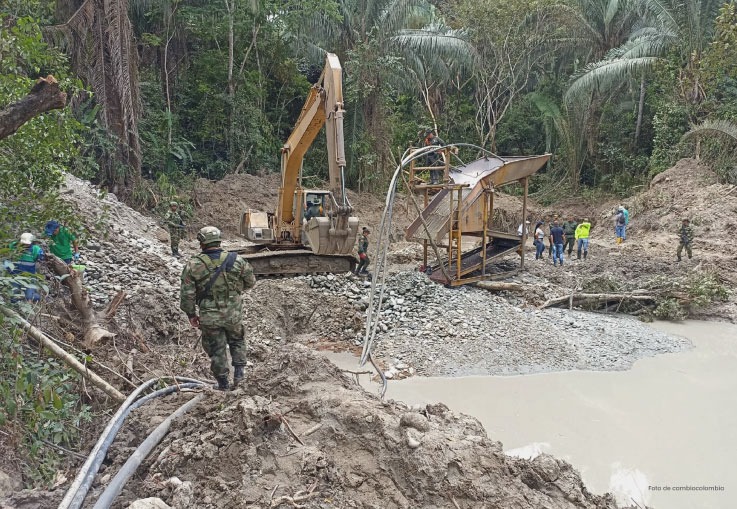
Mining executives did not miss the opportunity to present themselves as collaborators with dioceses and parishes and to request that the Church act as a “critical observer and mediator” in conflict zones. As pastoral agents who walk alongside communities threatened and affected by the impacts of mining in Latin American countries, we know that companies seek to co-opt and use religious leaders to clean up their image and gain social approval in contexts where they face growing disapproval and resistance from the communities in whose territories they operate. The corporate strategy is to get churches to be their allies in legitimizing their operations and to use them as mediators in any conflict.
 As people and institutions of faith, we believe that dialogue is a very valuable tool for uniting wills and building bridges. But to fulfill this function, it requires some minimum conditions; one of these conditions is precisely that all actors involved must always be heard. And in the case of the Church, this must always be done based on a preferential option for the victims and the poor, as Jesus of Nazareth taught us and as Pope Leo XIV recently reminded us in Dilexi Te.
Many pastoral workers have been murdered, persecuted, and criminalized for defending their communities and territories in fidelity to their faith and Christian commitment, and for being part of this living Church.
One of them is the martyr Juan López, minister of the word of the diocese of Trujillo, in Honduras, who days before being murdered for opposing mining in his community, reminded us:
"In Honduras, we are slowly awakening to the need to recover and care for the land, water, forests, the environment, and territories in general. We have started struggles across the country and spirits among neighbors are running high. Companies co-opt leaders who, for less than thirty pieces of silver, put their lives at the service of big business interests, activate all the media artillery together with the companies, and condemn communities that resist giving in, under the discourse of “opposing development.”
We reiterate the position of so many pastoral networks and faith communities that, based on their presence in the territory, express their concern about the escalation of violence brought about by extractivism, as expressed by REMAM, rejecting mining as a result of the cries of the territories it accompanies. The Churches and Mining Network, in its “Open Letter to the Bishops and Pastors of Latin America,” published in January 2016, also expresses concern about the increase in “violence and criminalization of individuals and entire communities who take a critical stance against mining in Latin America.”
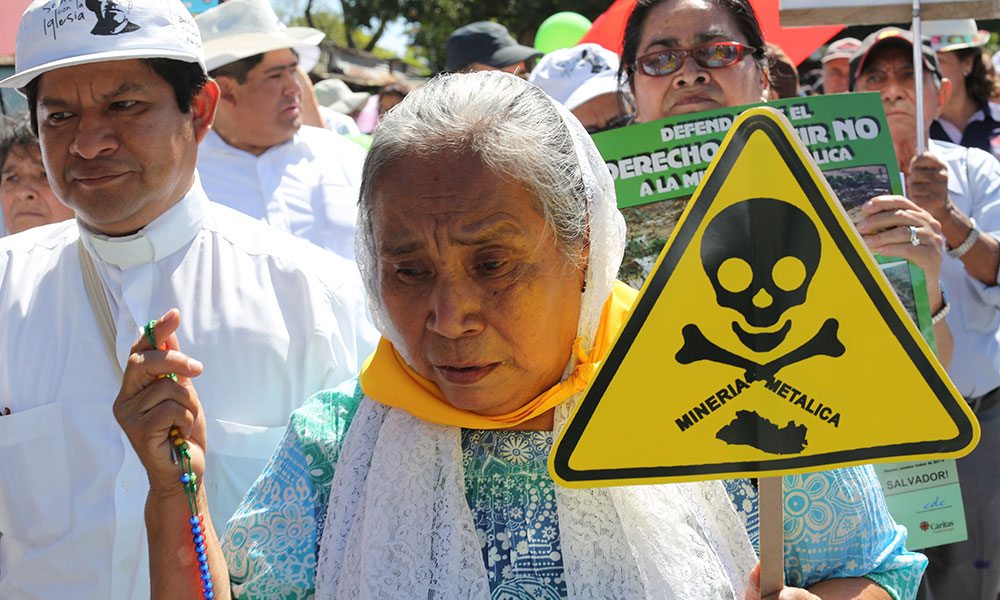 The same letter strongly criticizes the strategy of mining companies which, unable to demonstrate that their activities are sustainable, seek the support of entities that enjoy credibility among the people. "Communities expect the Church not to maintain ‘neutral’ positions in the face of conflicts generated by mining. Recognizing ‘the immense dignity of the poor’ (LS 158), the Church must continue to take up their cry and stand alongside them and alongside Creation."
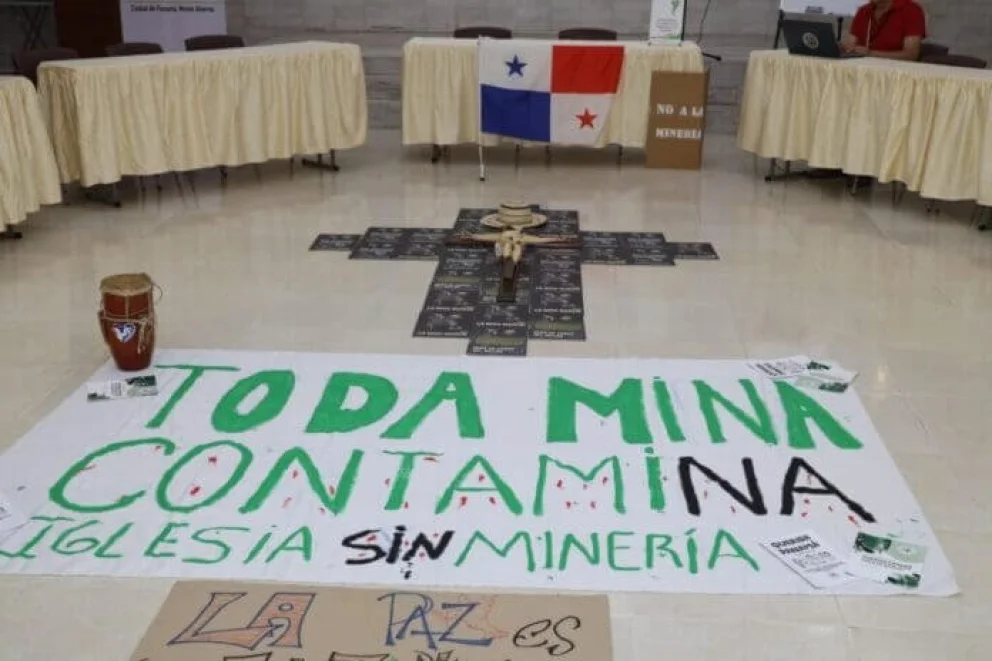
In 2024, around twenty bishops from Latin America and the Caribbean who live in regions threatened or in conflict due to mining gathered in Panama to discern pastoral paths together with their people. They then published, together with CELAM, “Pastoral Guidelines of the Catholic Churches on Mining,” inviting pastors and religious leaders to listen to the cries of Mother Earth and the martyrs of communities affected by extractivism. Our ancestral, indigenous, Afro-descendant, peasant, and urban communities have an infinite number of alternatives for life that take into account a harmonious relationship with the environment, with rivers, forests, and all of Creation. Let us dialogue and seek solutions that guarantee the life of human and non-human beings, who are all creatures of God.
In this sense, we insist on the importance of Pope Leo XIV meeting with the victims of mining and dedicating real and meaningful time to listen to their dreams, visions, and projects, as well as the religious leaders who have been walking alongside these communities for years, sharing their pain, nonviolent resistance, and hopes based on their eco-spirituality.
Let us put into practice the call of the Encyclical Laudato Si' to protect and care for our Common Home, and let us also take into account the document of the Churches of the Global South ahead of COP 30, which encourages us not to accept “false solutions” to the energy challenges of the moment and calls on us to ensure a healthy future for future generations.
Lord, take us with your power and your light,
to protect all life,
to prepare a better future,
so that your Kingdom
of justice, peace, love, and beauty may come.
SIGNED:
- Churches and Mining Network - RIM
- Brazilian Justice and Peace Commission
- Rede Eclesial Pan-Amazônica - REPAM
- Rede Eclesial Mesoamericana - REMAM
- Rede Eclesial Gran Chaco e Aquífero Guaraní – REGCHAG
- Pax Christi Internacional
- Rede Eclesial Plantina - REPLA
- Comissão JPIC da União dos Superiores Gerais (USG) e da União Internacional das Superioras Gerais (UISG)